Route 01 · Gameplay briefing

SUV Car Driving: Drift Game Gameplay Guide

This independent Canadian English-language guide from Euro Cargo Journey offers a low-pressure way to approach SUV Car Driving: Drift Game. It focuses on virtual driving, drifting, exploration, controls, vehicle feel, and the observations that can make early sessions easier to understand.

Euro Cargo Journey is independent and unaffiliated with Google, Google Play, the game’s developers, and publishers.

View on Google Play

Use the official listing as an external reference for current store information.

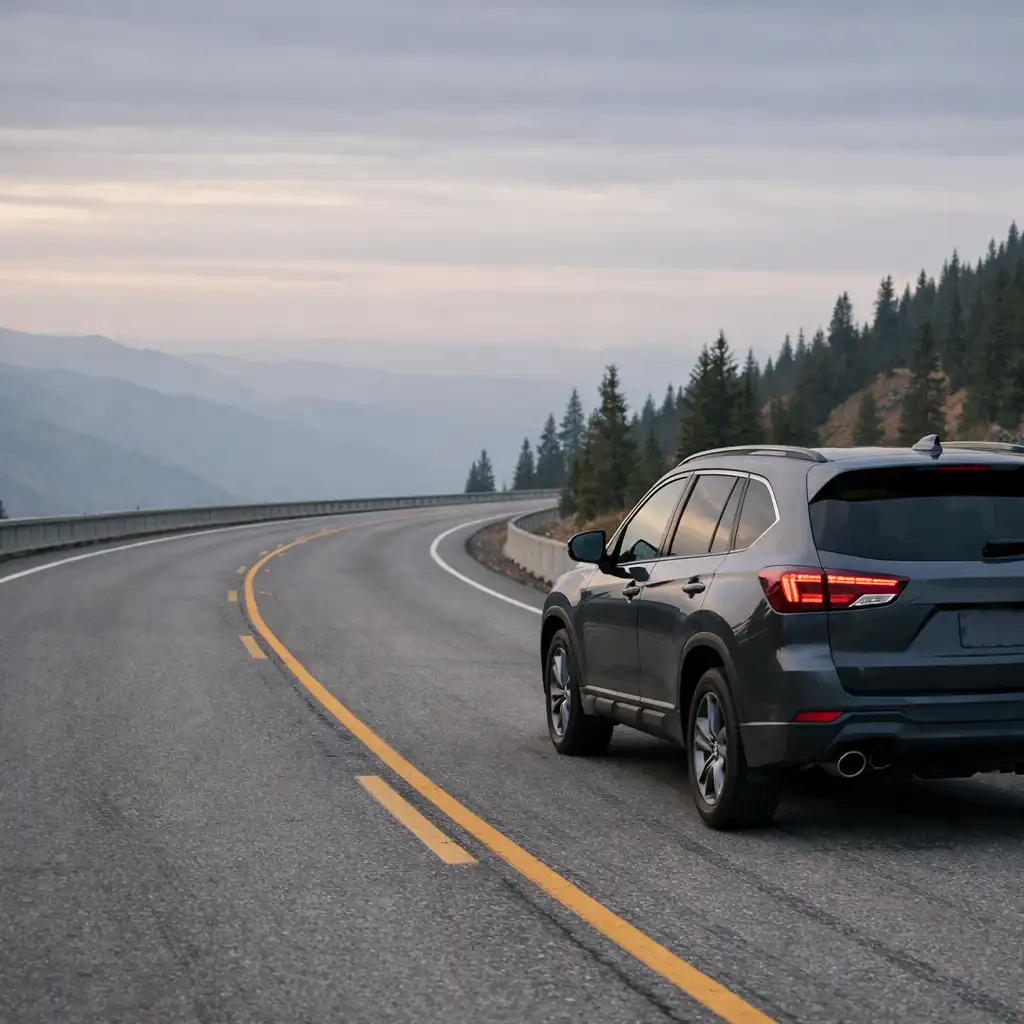
Dark SUV travelling along a broad mountain-edge road
Editorial road context only; not an in-game screenshot or official artwork.

Route 02 · First session

Start with a simple first-session goal

Early play can feel clearer when the aim is observation rather than a perfect result. Give yourself a short, familiar in-game stretch and use it to notice what each virtual input changes.

  1. Observe before optimizing

    Spend the first few moments noticing how the game presents movement, camera framing, steering inputs, and the routes or open space around you. There is no need to chase an ideal run immediately. Watching on-screen feedback and the vehicle’s response gives you a baseline for later attempts, and it reduces the guesswork that can come from changing several things before you know what the game is showing you.

  2. Choose one skill to practise

    Select one early focus: smooth turning, gentle acceleration, braking timing, or drift timing where the setup allows it. Treat these as in-game inputs, not real-world driving instruction. Focused repetition can reveal how the virtual vehicle responds under similar conditions, especially when you avoid trying to improve every input at once.

    One clear question per attempt is more useful than a crowded list of corrections.

  3. Repeat a short familiar route

    Replay a manageable stretch of available road or space so you can compare one attempt with the next. Familiarity makes small control changes easier to notice because the direction, corners, and visual cues are less surprising. Broader discovery can come later; first, use a repeatable area to make basic handling feel less abstract and more readable.

Route 03 · Vehicle response

Read the virtual vehicle before pushing it

Acceleration, braking, steering, and camera awareness work best as connected observations. The goal is not to assume exact physics, but to build a clearer picture of what each virtual choice seems to do.

Build speed progressively

Gradual changes to a virtual throttle or acceleration input can make it easier to read the vehicle’s response. On repeated attempts, compare how added speed affects the space you have for the next turn or manoeuvre. This calm approach gives you time to decide whether the current road area supports your next input instead of making every adjustment at once.
Use braking as a setup tool

Within the game, slowing down can be a useful way to prepare for a tighter turn, regain a clearer sense of direction, or make the next steering input easier to judge. Test timing in short attempts, since available inputs and behaviour may vary. Our SUV Driving Controls and Handling Guide offers a related controls-focused reading path.

Keep the camera useful

Use whichever available view best helps you judge road direction, vehicle position, and upcoming space while you learn. This is less about finding a universally correct view and more about choosing a framing that supports a smooth, repeatable practice route. If a view makes the next corner easier to anticipate, it may be the better learning choice for that session.

Route 04 · Drift practice

Treat drifting as a timing exercise

01 Set up with space and direction

For video-game practice, drift attempts are easier to evaluate when you begin with enough visible room and a clear intended direction in the game environment. Choose an area where you can watch the result of the attempt rather than reacting to a crowded sequence of unknowns. This is a player-learning framework, not a real-driving technique, and it does not depend on a specific road type, map, or dedicated event.

02 Change one input at a time

Where the game’s controls allow, adjust one part of an attempt—entry speed, steering timing, or acceleration timing—then observe what changed. Several short attempts usually make that comparison clearer than one long, uncontrolled run. Keeping the change small also helps you separate a timing choice from the other virtual inputs that may be affecting the outcome.

03 Prioritize recovery over spectacle

A controlled exit and regained direction can be a more useful early practice signal than trying to maintain a dramatic slide. Treat recovery as information about the vehicle response you are learning to read. For a more focused editorial companion, continue to our Driving & Drift Tips for SUV Car Driving: Drift Game.

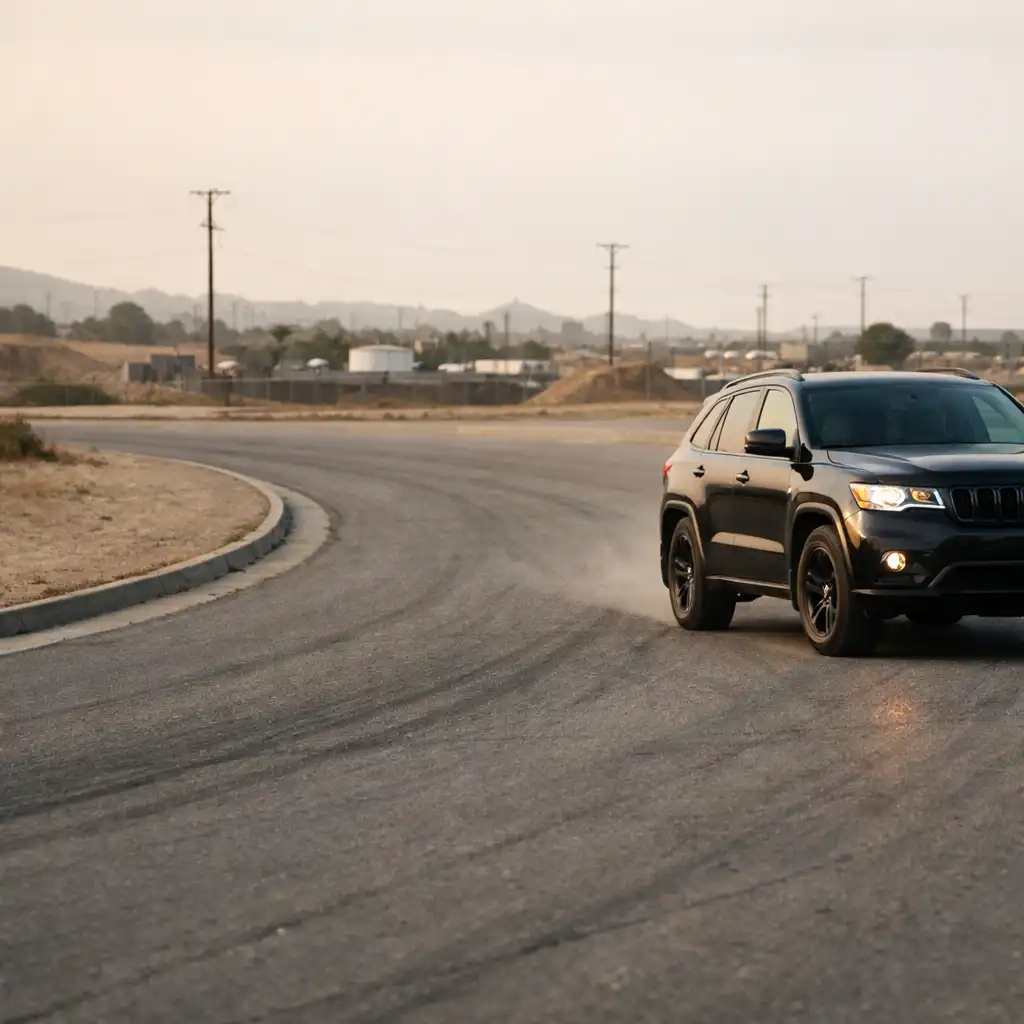
Dark SUV negotiating a wide empty paved bend
Editorial cornering context only; it does not depict a specific game environment.

Route 05 · Exploration

Explore with a driver’s-eye checklist

Exploration can be purposeful without becoming a claim about map completion or named locations. Use the environment as a set of visual references that help you revisit a practice area and compare what changes between attempts.

Look for repeatable landmarks

Use visible roads, corners, open space, or familiar landmarks to make a chosen in-game area easier to revisit. A repeatable reference point gives your next attempt more context, because you can compare similar approaches rather than judging every turn from an unfamiliar starting point.

Notice surface and space cues

Notice how available road width, corners, and surrounding space affect the way you approach a manoeuvre in the game. If you notice a change in how an attempt feels, use that observation to choose more room for practice rather than assuming a specific surface behaviour.

Use exploration to reset the pace

After repeated difficult attempts, a calmer route or a change of immediate area can help you return to basic steering and positioning. Think of exploration as a player-led pacing choice: a chance to regain a simple visual rhythm before returning to a more challenging turn.

A slower reset can make the next comparison easier to understand.

Continue with the city guide

For a more focused editorial lens on navigation and discovery, read the City Exploration Guide for SUV Car Driving: Drift Game. It extends this observation-first approach without making claims about exact city content, objectives, or map mechanics.

Route 06 · Practice loop

A calm practice loop for early sessions

Use this simple sequence as a repeatable gameplay routine. It is designed to keep each short session focused on what the virtual vehicle seems to communicate through your own observations.

Observe

Watch how the virtual vehicle responds to a few basic inputs and how much room is available around the area you chose for practice.

Try

Make one purposeful attempt focused on a single action, such as a turn, a speed change, or a drift entry where applicable.

Reset

Return to a familiar position or approach after an unclear attempt so the next comparison is easier to read as a learning step.

Refine

Change only one variable on the next attempt, then decide whether the result felt easier to control. Repeated short sessions can be more useful than rushing.

Route 07 · Adjustments

When an attempt feels difficult

When a run feels unclear, simplify the next choice rather than treating it as a technical fault. These responses are game-specific practice suggestions intended to help you read virtual inputs more calmly.

Issue

The turn feels rushed

Enter the next attempt with more time to read direction and available space, then make a calmer virtual steering adjustment. It can help to practise speed and turn timing separately: first learn what gives you enough room, then compare how a more deliberate turn changes the result. This keeps the focus on game feedback rather than on forcing a fast correction.

Issue

The vehicle does not go where expected

Reduce the number of simultaneous input changes and test one control decision at a time. Input layouts or settings may vary, so neutral observation is more helpful than assuming one universal answer. Repeat a familiar approach, make one small change, and look for the part of the virtual response that became easier—or harder—to predict.

Issue

A drift attempt becomes hard to recover

Return to a simpler turn or lower-pressure practice approach before adding more ambitious timing changes. Recovery is a worthwhile gameplay learning objective because it helps you notice when direction returns to something manageable. Our Driving & Drift Tips page provides related reading for visitors who want to continue with that focused practice lens.

Route 09 · Publishing note

Source and independence note

Official listing reference

For current store information about SUV Car Driving: Drift Game, check the official Google Play page. Euro Cargo Journey uses that supplied listing as its official reference for factual game information, while the practice advice on this page is independent editorial guidance.

Independent editorial position

Euro Cargo Journey is independent and is not affiliated with Google, Google Play, the game’s developers, or publishers. This guide is intended to help visitors understand the game before deciding whether to visit the official listing.

Route 10 · Official reference

Ready to check the official listing?

When you want current store information about SUV Car Driving: Drift Game, continue to the official Google Play listing. This is an external reference action, not a download or play promise from Euro Cargo Journey.